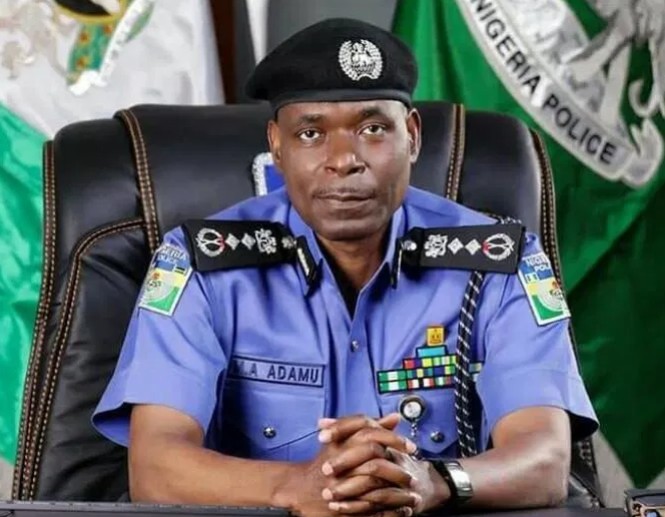
Why Police Misuse Arms, Kill On duty – IGP
Acting Inspector-General of Police, Mohammed Adamu, has attributed the increasing cases of misuse of firearms and extra-judicial killings by police personnel to work-related stresses and emotional conditions.
To tackle the issue, the police boss ordered immediate end to the current 12-hour, two-shift work structure in the Nigeria Police Force, and reversal to the traditional eight-hour, three-shift standard.
However, former Lagos State Commissioner of Police, Alhaji Abubakar Tsav, said lack of supervision and wickedness were responsible for extra-judicial killings by the police.
Meanwhile, doctors said stress could be a factor in extra-judicial killings.
The IGP gave the order while delivering a speech at the maiden conference of Heads of Nigeria Police Medical Facilities, held at the Force Headquarters, Abuja.
With the IGP’s order, no police personnel is expected to work beyond eight hours in a day anymore.
Misuse of firearms He said: “Indeed, arguments have been raised that the resonating incidents of misuse of firearms and extra-judicial actions by police personnel often result directly from work-related stress and emotional conditions which disorient their rationality.
“In consideration of this, I have ordered that with immediate effect, the shift duty structure of the Nigeria Police which is currently a 12-hour, two-shift system be reverted to the traditional eight-hour, three-shift standard.
“This directive is specifically informed by the need to address a major, age-long occupational stress which long hours of duty engenders among personnel in the Nigeria Police Force and which occasions depression and abuse of power and other unprofessional conduct.
“For purpose of clarity, henceforth, no police personnel should be made to perform any duty exceeding eight hours within a space of 24 hours unless there is a local or national emergency.”
He tasked the Nigeria Police Medical Services to advance this intention in complementing the leadership of the Nigeria Police by “striving at all times to guarantee a healthy work-life balance and ensuring that our officers attain the highest possible level of health status that will prevent occupational health stress factors which manifest into fatigue, compromised immune system, heart diseases and high blood pressure, depression, anxiety, irritability, risk of substance abuse and emotional instability. “All of these, if not medically managed, could engender unprofessional reactions with fatal consequences to the affected police personnel and members of the public.”
Tasking the Nigeria Police Medical Services on strategies and techniques, including cognitive therapy and emotional intelligence models that will strengthen the stress management capacity and operational resilience of personnel, IGP Adamu said: “I challenge you to engage these issues as part of your agenda for this conference.” The police chief while assuring “that the current police management will ensure that these challenges as well as career and welfare concerns of personnel in the NPMS are addressed on a sustainable basis,” however, charged the personnel “to continuously discharge your professional duties with a high sense of commitment and responsibility to meet the ever-growing health needs of our personnel.”
Adamu said the Nigeria Police Medical Services has some of the finest and most experienced medical officers, noting that “it has expanded significantly over the years from just one healthcare facility in 1975 to 144 in 2019 across the country.”