
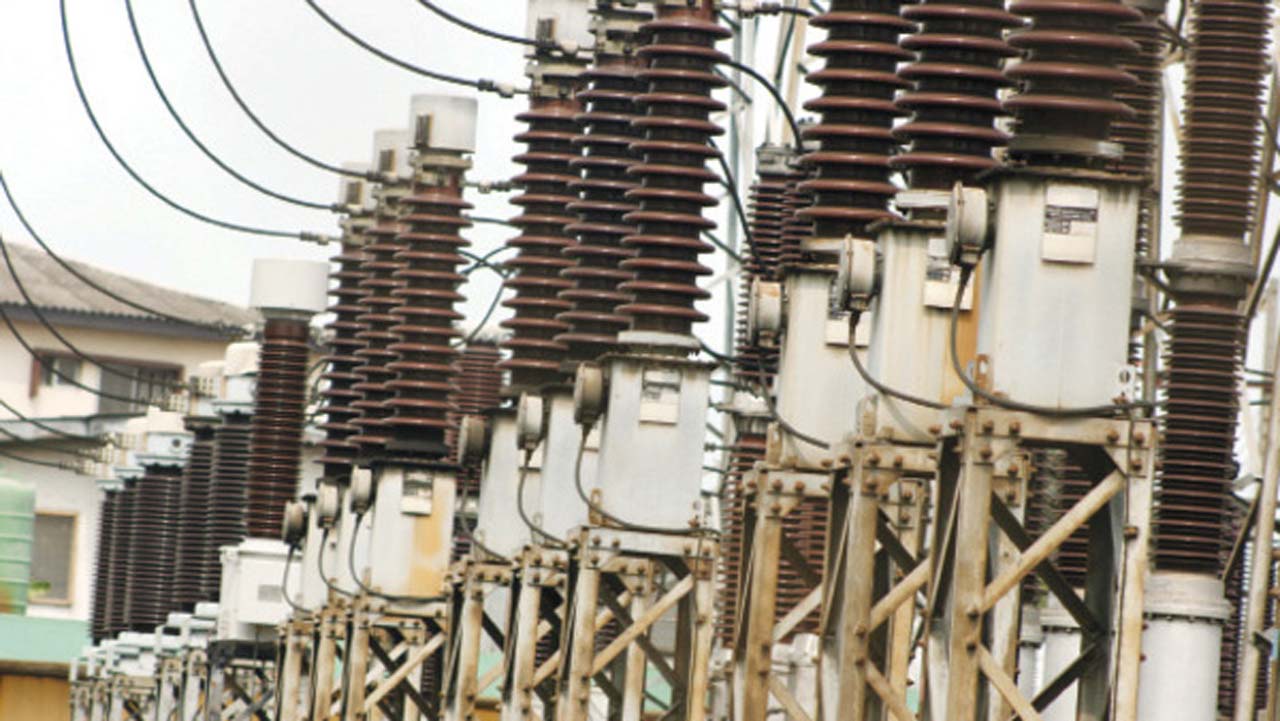
Nigerians to Pay Over 70% Increase On Electricity In 2020
Power distribution companies has announced on Monday that a new electricity tariff, which will have some consumers Pay over 70% increase shall become enforceable from April 1.
Speaking through their umbrella body, Association of Nigerian Electricity Distributors, the Discos explained that the new tariffs ordered by the Nigerian Electricity Regulatory Commission would cater for revenue shortfalls in the sector.
Nigerian Electricity Regulatory Commission had on Saturday announced the immediate review of electricity tariffs in the country from January 1.
The order was issued to the 11 electricity distribution companies (DISCos) on December 31, 2019, but published on the Commission’s website on Saturday.
Signed jointly by the Chairman of the Commission, James Momoh, and the Commissioner for Legal, License & Compliance, Dafe Akpeneye, the order was titled “December 2019 MYTO Minor Review Order” for the 11 DISCOs.
The various tariff reviews for all categories of consumers — except those consumers classified as residential (R1) — ranged from 59.7 per cent for consumers in Ikeja to 77.6 per cent in Enugu.
Under the new order, electricity consumers in Ikeja who used to pay about N13.34 per kWh since under the 2015 MYTO when the last review was carried out will from January 1 this year pay N21.80 per kWh, same as their R2 counterparts.
Their counterparts in Enugu who used to pay about N17.42 per kWh will, under the new order, pay about N30.93 kWh from January 1.
Their R2 and R3 counterparts who paid about N19.31 and N27.11 per kWh since 2015, will now be paying N34.28 and N48.12 per kWh.
Residential (R2) and R3 consumers in Ikeja, who have been paying N13.34 and N26.5 per kWh since 2015, will now be paying N21.30 and N21.80 per kWh.
Residential consumers are those categorised as those using singe phase and three-phase meters and electricity consumption of about 50 kWh in premises with flats exclusively for residential purposes.
The affected DISCos include Abuja Electricity Distribution Company, Benin Electricity Distribution Company, Enugu Electricity Distribution Company, Eko Electricity Distribution Company, Ibadan Electricity Distribution Company, Ikeja Electricity Distribution Company, Jos Electricity Distribution Company, Kaduna Electricity Distribution Company, Kano Electricity Distribution Company, Port Harcourt Electricity Distribution Company and Yola Electricity Distribution Company.
The order, the Commission said, supersedes “other orders issued on the subject matter, and shall take effect from January 1, 2020.
The R3 consumers who use maximum demand low voltage who have been paying N26.5 per kWh in Ikeja will now be paying N36.49 per kWh, compared to their counterparts in Abuja who have been N27.20 per kWh since 2015, who will now be paying N47.09 per kWh, same as their R4 consumers.
The review also affected the tariffs for other categories of consumers, namely commercial, industrial and special.
However, in a tariff review clarification notice obtained Nigerian Cable News Online, the Discos said the tariffs shall remain as they had been since 2015 but would change from April 2020.
ANED said, “The Tariffs shall remain the same as they presently are (i.e. 2015 levels) until April 1, 2020 when there will be a slight increment to cater for tariff shortfalls which shall be gradually passed on to the consumer until this is fully completed by the end of 2021.
“In view of the foregoing, we state emphatically that there shall be no change or increase in the existing electricity tariff until April 1, 2020 when the new adjusted tariffs shall begin to gradually reflect the dynamism of our macro-economy.”
The Discos explained that the NERC was empowered by the Electric Power Sector Reform Act to carry out minor reviews of the Multi-Year Tariff Order 2015 twice a year.
“NERC has just reviewed the MYTO 2015 and has published an order on tariffs and minimum remittance for January to June 2020. The tariffs anticipate changes in the currency exchange rates between the United States and Nigeria, changes in the rate of inflation and gas prices,” ANED stated.
It expressed hope that its explanation “substantially clarifies the accurate position and allays any fears and concerns, our esteemed customers may have.”

Excellent
No responsible government anywhere permits some section of economy to cheat on the right of consumers. Government has hitherto given cover to electricity distribution companies to over tax consumers without any punitive measure taken against them or any deference to forestall a repeat.
In my plea, an increase in tarrif is not ripe until accurate metering is ensured by the distribution of pre-paid meters to all consumers. With the billing system on estimation, some of us have already paid for electricity supplies till 2025.